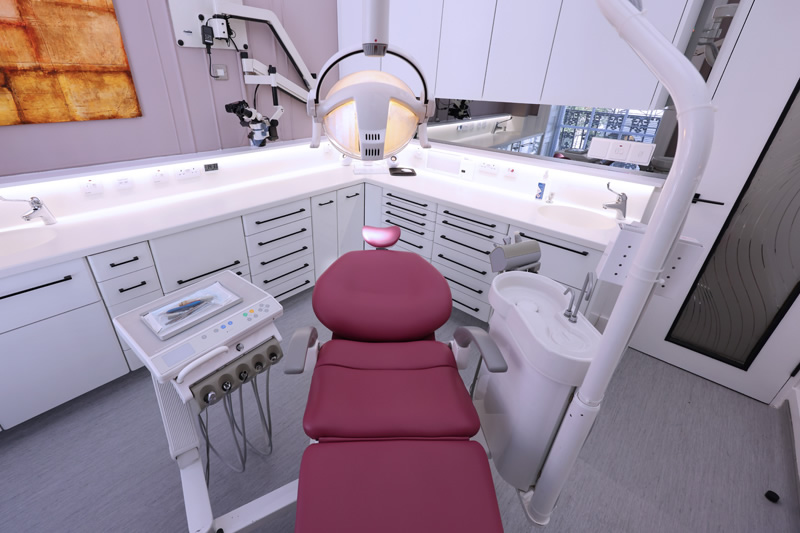
Composite bonding involves the direct application of a tooth-coloured resin to the surface of a tooth, where it is carefully sculpted by hand and then set using a curing light. Performed well, it is a minimally invasive technique capable of addressing minor chips, subtle asymmetries and small gaps, often within a single appointment and without any enamel removal.
It is, for certain presentations, a genuinely useful treatment. But at 75 Harley Street, we believe patients deserve a full picture before committing to any cosmetic procedure, and when it comes to composite bonding, that picture includes its limitations.
Dr Mehran Sanei, our principal dentist and Specialist in Prosthodontics, has over 30 years of experience in cosmetic and restorative dentistry. He uses composite bonding selectively, in cases where it is the right clinical fit. Where it is not, he will tell you plainly, and explain what will actually deliver the smile you are looking for. In most cases involving multiple teeth or a meaningful transformation, that answer is porcelain veneers.
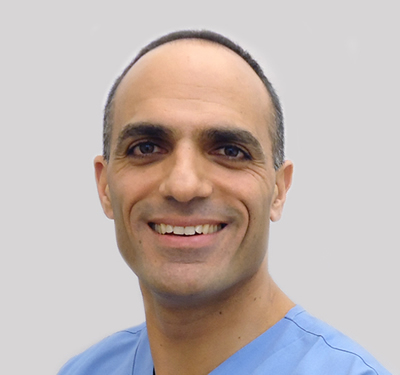
Dr Mehran Sanei (GDC No: 67683) is a USA-qualified Specialist in Prosthodontics, recognised by both the British General Dental Council and the American Dental Association. With a career spanning more than three decades, he has lectured internationally on cosmetic dentistry and implantology and continues to be sought out by patients across London and beyond for the quality and longevity of his work.
His approach to composite bonding is shaped by that depth of experience: he offers it where it is the right solution, and he is equally prepared to recommend an alternative when it is not. That honesty, rare in cosmetic dentistry, is what defines the consultation experience at 75 Harley Street. To arrange a consultation with Dr Sanei, call us on 020 7935 3914.
There are circumstances in which composite bonding is the most appropriate and proportionate solution:
Beyond these specific presentations, composite bonding is unlikely to deliver the outcome patients hope for and can result in higher long-term costs when replacements and repairs are factored in.
Porcelain veneers are precision-engineered restorations: thin ceramic shells produced in a specialist laboratory, designed to exact specifications and bonded permanently to the front surfaces of your teeth. Across every measure that matters to a patient considering cosmetic treatment, they outperform composite bonding.
Porcelain shares the translucency and light-reflecting qualities of natural enamel in a way composite resin cannot. The result is a restoration that is virtually undetectable, in person, in photographs, in any light. Composite bonding, particularly across multiple teeth, can appear flat or artificial under close inspection.
A composite bond requires replacement or repair within a few years in most cases. Porcelain veneers, maintained properly, offer a lifespan many times longer. Patients who compare the two on upfront cost alone often find that composite bonding works out more expensive over a decade when repeat treatment is included.
Composite resin is a porous material — it absorbs pigment gradually from food and drink, meaning the colour of bonded teeth drifts over time regardless of how diligently a patient brushes. Porcelain is impervious to staining. The shade you choose at the outset is the shade you keep.
Laboratory-fabricated porcelain is considerably harder and more wear-resistant than hand-placed composite. Composite bonding can chip, flatten and lose its polished surface over time; porcelain retains its finish and strength across years of normal function.
Composite bonding is shaped freehand by the dentist, directly in the mouth. Porcelain veneers are produced by a skilled ceramist working to detailed specifications, giving precise control over every aspect of the final result — shape, proportion, surface texture, characterisation. The two processes are not comparable in terms of consistency or precision.
| Cost: Lower initial cost |
| Treatment time: Single appointment |
| Lifespan: Short term: requires repeat treatment |
| Stain resistance: Moderate: colour shifts over time |
| Appearance: Good for isolated cases |
| Durability: Prone to chipping, wear and surface dulling |
| Suitability for full smile: Limited |
| Repairability: Can be patched chairside |
| Cost: Higher upfront but stronger long-term value |
| Treatment time: 2–3 visits |
| Lifespan: Long term with proper care |
| Stain resistance: Excellent: ceramic is non-porous |
| Appearance: Outstanding: natural enamel translucency |
| Durability: Strong, stable and polish-retaining |
| Suitability for full smile: Ideal |
| Repairability: Veneer replaced if damaged |
The appeal of composite bonding is understandable: a lower price point, no laboratory wait and no preparation of the tooth in most cases. For patients with minor, contained issues, it can be entirely appropriate.
The difficulty arises when composite bonding is chosen for broader smile goals. In Dr Sanei's experience, it is in these cases, multiple teeth treated, or a full aesthetic transformation attempted, that the material's limitations become most apparent, and where patients most often return for revision or a second opinion. Our commitment to every patient who walks through our door is the same: an honest assessment, the best possible recommendation, and treatment delivered to the highest standard. Where that leads to porcelain veneers rather than composite bonding, we will explain exactly why.
The most important step is a consultation with someone who will give you a genuine recommendation rather than simply booking the treatment you've asked for. Dr Sanei will assess your teeth and gums, listen to what you want to achieve, and give you a clear, honest view of which treatment will actually get you there, with no obligation to proceed.
Call 020 7935 3914 Make an enquiry Request an appointment