
Relieve your facial pain, jaw pain and headaches
5-star rated practice
Highly experienced team
If you need a trusted and expert dentist in London's Harley Street that provides headache relief treatment, our state-of-the-art clinic can help.
Our expert headache relief clinic is led by principal dentist, Dr Mehran Sanei (GDC No: 67683), he is recognised by the GDC and the American Dental Association as a Specialist in Prosthodontics. Dr Sanei has over 30 years extensive dental experience, and has helped relieve the pain of many patients in London.
All our dentists are registered with the General Dental Council (GDC) and our practice is regulated and monitored by the Care Quality Commission (CQC) so you can rest assured you are in safe hands with our expert team.



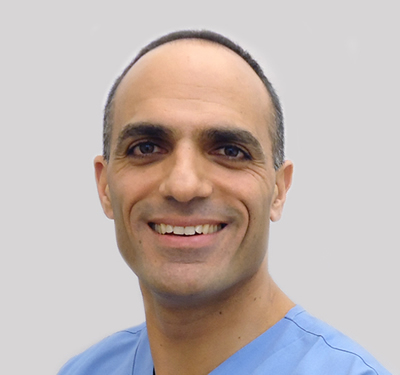
Our principal dentist and specialist prosthodontist, Dr Mehran Sanei (GDC No. 67683), is recognised by the American Dental Association as a Specialist in Prosthodontics.
With over 30 years of extensive dentistry experience, he has also given national and international lectures on Cosmetics and Implantology. He has been an active member of the American Dental Society of London since 1999.
To book your consultation, please call us today on 020 7935 3914.
There are millions of sufferers of chronic headache and facial pain that have spent years suffering in silence. The symptoms vary according to the individual. Symptoms may include headaches on waking, facial pain, or neck ache, stiffness of the jaw.
Many of these symptoms are the result of an imbalance between the Temporomandibular Joint (TMJ), the muscles of chewing and the teeth.
A large number of cases involving headaches, muscle spasms and pain in the jaw are a dental problem. If your teeth don't close together properly, are heavily worn, crowns are constantly breaking, you have ringing in your ears and difficulty in opening or closing your mouth, you may well be suffering from TMJ problems.
The medical and dental profession are becoming increasingly aware of the intricate relationship between proper bite and the muscles and nerves of the jaw joint. A very delicate balance must occur in the chewing system for total harmony, comfort and stability.
For a long time, medicine and dentistry have overlooked the Temporomandibular Joint as a potential source of problems for patients with facial pain and headaches. With today's new technology and increased understanding dentists with special advanced training in TMJ disorders can treat a large majority of these patients. Relief can be obtained immediately via a wide range of dental treatments by addressing the cause of the imbalance.
TMJ-related headaches are often caused by an imbalance in the jaw joint and surrounding muscles. This can stem from an incorrect bite, bruxism (teeth grinding) or prolonged jaw tension, all of which strain the muscles and nerves involved in chewing.
When your jaw is misaligned, the muscles responsible for chewing work harder to compensate. This extra strain can cause muscle fatigue and spasm, leading to chronic headaches (often worst first thing in the morning), pain behind the eyes, sinus discomfort and tension in the neck and shoulders.
Bite problems may be suggested if you recognise signs such as clenching or grinding your teeth, waking with a sore jaw, persistent headaches or neck and shoulder pain, clicking or popping in the jaw, difficulty moving your jaw comfortably, or missing back teeth that have altered how your bite meets.
Yes! Stress, poor posture, long hours at a desk or clenching during sleep can increase tension in the jaw and neck muscles, heightening discomfort and making headaches more frequent or severe.
Our approach begins with a detailed medical history and examination of your bite, looking for signs of grinding or clenching. Models of your teeth may be analysed to assess TMJ function. If needed, a bite-separating jig is used for immediate relief, followed by a precisely fitted appliance to relax your jaw muscles. More complex cases are managed with a tailored treatment plan.
Some patients feel reduced pain after the initial fitting of a bite appliance, as it allows the jaw muscles to relax. Others may notice gradual improvement over a few weeks as muscle tension decreases and the bite becomes more balanced.